How do remote Raja Ampat islands manage waste?
Remote islands in Raja Ampat rely heavily on community initiatives and responsible tourism operators to manage waste.
Their geographical isolation makes waste collection and disposal particularly challenging.
Unlike larger towns, these islands often lack regular municipal waste collection services.
Therefore, local communities and tourism businesses must develop practical solutions.
For example, some communities separate organic and non-organic waste.
They may compost suitable organic materials or use certain food scraps as animal feed.
However, plastic and other non-biodegradable materials remain major concerns.
Without reliable collection systems, these materials can accumulate around villages and coastlines.
Several waste disposal solutions for remote islands focus on reducing waste before it reaches the surrounding environment.
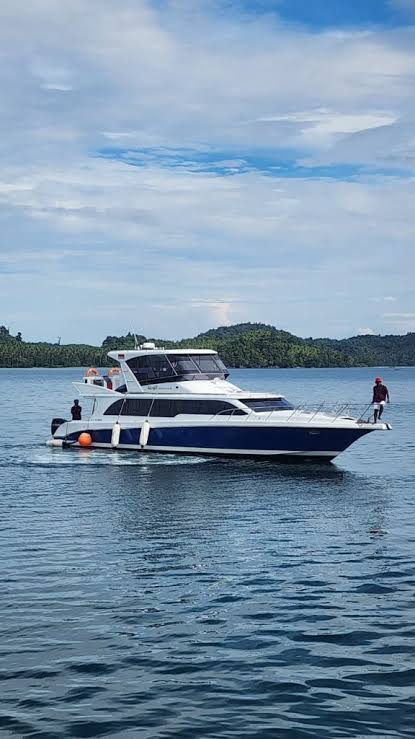
For instance, some dive resorts and private island charter operators follow a “pack-in, pack-out” policy.
This approach requires guests and staff to bring non-biodegradable waste back from remote locations.
Additionally, certain tourism facilities use compactors to reduce waste volume.
Some may also support small-scale plastic recycling initiatives where suitable facilities exist.
Meanwhile, local communities increasingly participate in waste separation and collection activities.
NGOs and tourism partners can support these efforts through education and collection points.
Raja Ampat faces several challenges when managing waste across its scattered islands.
Distance, limited infrastructure, and funding constraints make consistent waste collection difficult.
First, transporting waste from remote islands to mainland facilities requires boats and additional resources.
Consequently, transportation can become expensive and complicated.
Furthermore, limited recycling infrastructure restricts the amount of collected waste that facilities can process.
As a result, some waste may still require landfill disposal.
To address these problems, community organizations and tourism partners can strengthen local waste education.
They can also encourage waste reduction before materials reach remote islands.
Visitors can make a meaningful contribution to sustainable tourism Raja Ampat through simple everyday choices.
Their decisions also help reduce their personal environmental impact.
Before booking a private island charter or resort stay, research the operator’s environmental practices.
Look for clear waste management procedures and policies against single-use plastics.
You can also check whether an operator participates in recognized sustainability initiatives.
For example, Green Fins provides environmental guidance for marine tourism businesses.
During your trip, follow the principles of “Leave No Trace.” First, reduce unnecessary packaging and bring reusable water bottles.
Tourism revenue can support waste management infrastructure and environmental initiatives throughout Raja Ampat.
However, the actual contribution depends on each operator’s policies and local funding arrangements.
For example, eco-friendly charters and resorts may support community projects through direct contributions.
These projects can include waste collection points, educational materials, and beach clean-up campaigns.
Additionally, some tourism businesses provide equipment or logistical support for local environmental activities.
Such contributions can strengthen community waste management efforts.