Can student groups conduct field research in Raja Ampat?
Raja Ampat offers diverse field research opportunities across ecological, environmental, and social science disciplines.
Its unique environment provides an excellent learning space for high school and university students.
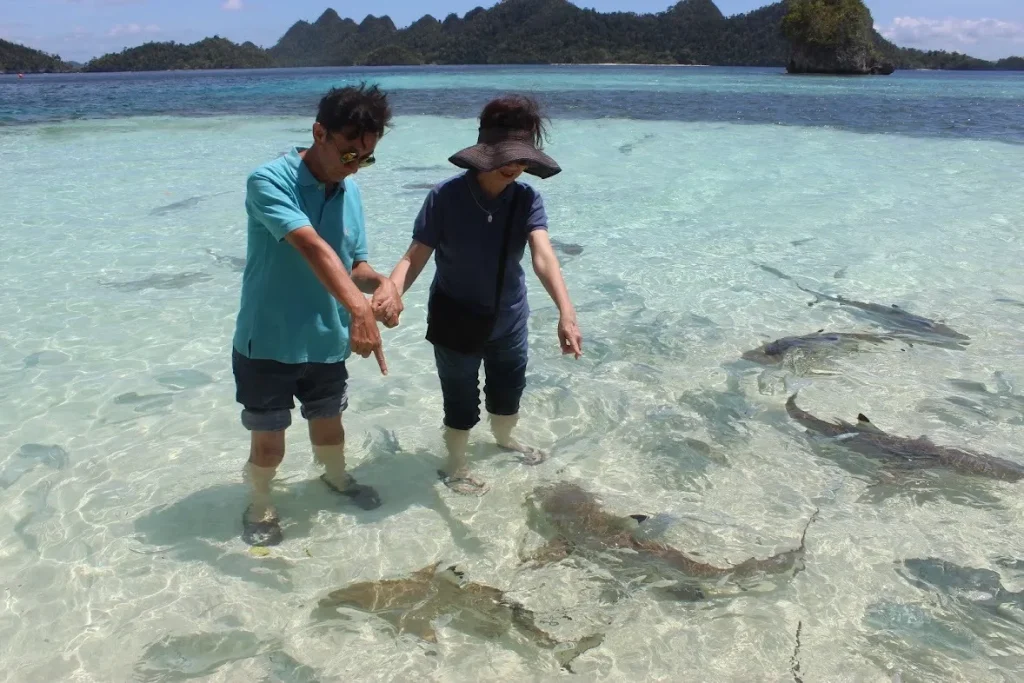
For example, marine biology students can observe coral reefs and identify different marine species.
These activities can also contribute to local biodiversity mapping and conservation studies.
Additionally, students can explore environmental conservation through practical research projects.
Popular topics include water quality monitoring, marine debris surveys, and mangrove observation.
Beyond environmental studies, students can investigate sustainable tourism practices and coastal community development.
They can also conduct interviews with local residents to understand traditional practices and human-environment relationships.
These hands-on activities help students develop research skills and a deeper understanding of conservation.
Student groups should arrange logistical support and research permits before starting their fieldwork in Raja Ampat.
One practical approach involves partnering with reputable local tour operators or academic institutions.
These organizations can help students understand regional regulations and applicable permit requirements.
They can also coordinate with local governments and relevant conservation authorities.
Furthermore, experienced local operators can arrange transportation, accommodation, research boat access, and guide services.
For specialized projects, students may also need scientific advisors or local research partners.
Early consultation helps groups prepare the necessary documents and avoid administrative delays.
Therefore, students should contact their chosen research facilitators well before their planned departure.
The cost of student research expeditions depends on several factors, including duration, group size, and research requirements.
Accommodation standards, transportation, and specialized equipment also influence the overall budget.
For example, a basic seven-day expedition for ten students may cost an estimated USD 2,800–4,500 per student.
This estimate may cover local transportation, basic accommodation, research permits, and local guide services.
However, specialized equipment can increase the total expenditure.
Examples include diving equipment, underwater cameras, and scientific monitoring tools.
Groups may also need additional funding for expert assistance and community engagement activities.
To manage expenses, students can request customized research packages from reputable official tour agents.
These providers can help balance research objectives, available facilities, and budget limitations.
Student research contributes valuable information that supports environmental conservation and community development in Raja Ampat.
For instance, water quality monitoring helps researchers understand changes in local marine environments.
Similarly, marine debris surveys and mangrove observations provide useful information for conservation programs.
Students can share their findings with local authorities and environmental organizations.
This information can support better decisions about protecting Raja Ampat’s marine biodiversity.
Furthermore, interviews with local communities help students understand traditional ecological knowledge and local economic activities.
These findings can also highlight opportunities for more sustainable tourism initiatives.
By involving local residents, research projects encourage collaboration between students and communities.
Ultimately, these partnerships can strengthen local conservation awareness and support long-term community resilience.