Planning a remote island holiday involves more than flights, accommodation, and boat transfers.
Marine conservation fees and local taxes can also become part of your travel budget.
In destinations such as Raja Ampat, these charges support environmental protection and local tourism management.
They can also vary depending on your nationality, destination, and travel arrangements.
Understanding them before departure makes budgeting considerably easier.
Why Conservation Fees Exist
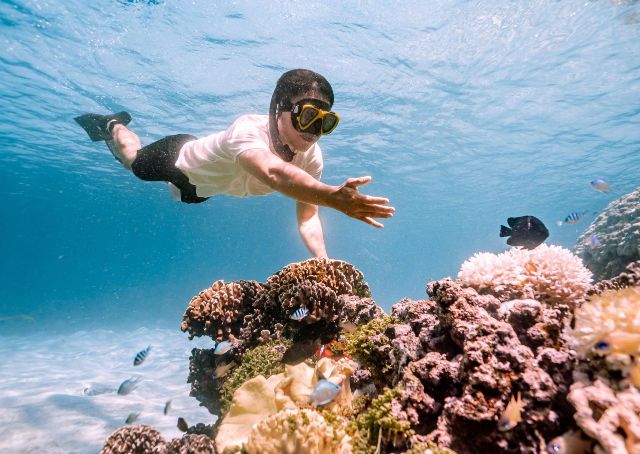
Raja Ampat is home to exceptionally rich marine biodiversity.
Its coral reefs, mangroves, seagrass habitats, and coastal ecosystems require continuous protection.
Tourism contributes directly to pressure on these environments.
Visitor fees help support conservation programs, protected areas, and destination management.
For travelers, paying these charges is therefore more than another holiday expense.
It contributes toward protecting the landscapes and marine environments that make Raja Ampat special.
The Raja Ampat Marine Conservation Area
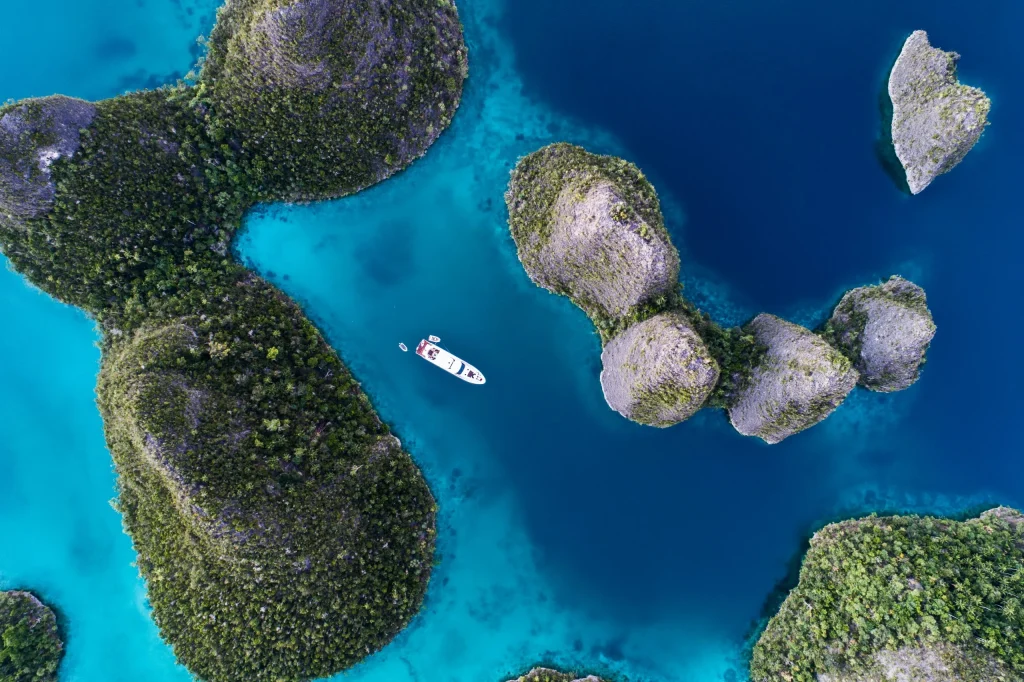
Raja Ampat has developed an extensive network of marine protected areas.
These areas cover important coral reefs, coastal habitats, and waters surrounding numerous islands.
Visitors may therefore encounter conservation-related charges during their journey.
The exact amount and payment arrangements can change over time.
Travelers should always verify the latest requirements before arriving in Raja Ampat.
This is particularly important when regulations are updated by regional authorities.
Local Tourism Charges Can Be Different
Conservation fees are not necessarily the only additional charges travelers encounter.
Regional tourism authorities can introduce separate visitor fees or local levies.
These charges may support tourism infrastructure, community programs, waste management, or destination services.
The terminology can also vary between official sources.
A conservation fee, entrance fee, tourism levy, and local tax may serve different purposes.
Understanding what each charge covers helps prevent confusion during your trip.
Foreign Travelers and Domestic Visitors
Some tourism charges can differ according to nationality.
International visitors may pay different rates from Indonesian citizens.
This distinction is common across protected destinations in Indonesia.
Raja Ampat has also introduced different tourism-related charges for foreign and domestic visitors.
However, rates and implementation can change.
Always check current government or destination information before calculating your final travel budget.
Where Are the Fees Paid?
Payment procedures can depend on the specific charge.
Some fees may be handled at designated ports or tourism offices.
Others may be incorporated into arrangements made through accommodation providers or local operators.
Private island resorts can also provide guidance regarding applicable charges.
This is particularly helpful when your itinerary involves several islands.
Ask your accommodation provider which fees are already included.
Do Private Resorts Include Conservation Fees?
Do not assume that your resort package covers every government charge.
Some accommodation packages include transfers, meals, excursions, and certain local fees.
Others may list conservation or visitor charges separately.
The distinction can be particularly important when comparing apparently similar resort rates.
A lower room price does not always mean a lower final holiday cost.
Always review the inclusions before confirming your reservation.
Budgeting Beyond the Room Rate
A realistic island budget should include several categories.
Start with international or domestic flights.
Then consider airport transfers, boats, accommodation, meals, excursions, and conservation-related fees.
Add a reserve for local transportation and unexpected expenses.
This approach gives you a more realistic picture of the total holiday cost.
It also prevents conservation charges from becoming an unpleasant surprise.
Carrying Cash Can Still Be Useful
Remote island travel requires more preparation than visiting major Indonesian cities.
Access to ATMs can become limited once you leave Sorong or Waisai.
Some local operators may also prefer cash payments.
Carrying sufficient Indonesian rupiah is therefore practical.
However, avoid carrying unnecessary amounts.
Your accommodation provider can help determine how much cash is sensible for your itinerary.
Why These Charges Matter
It can be tempting to view every additional fee as an inconvenience.
In conservation-focused destinations, however, these payments serve a larger purpose.
Raja Ampat’s natural attractions are also its most valuable assets.
Without effective management, increased tourism could place additional pressure on fragile ecosystems.
Visitor contributions can help finance the systems protecting those environments.
That makes them an important part of responsible travel.
Ask Before You Travel
The easiest way to avoid confusion is to ask questions early.
Contact your resort or local operator before departure.
Ask which conservation fees apply to your itinerary.
Confirm whether local taxes are already included in your accommodation rate.
Also ask where and when additional charges must be paid.
This information can prevent last-minute problems at ports or island destinations.
Marine conservation fees and local taxes are simply part of traveling through protected islandd destionations.
They may add to you overall budget, but they also support the places travelers come to experience.
The key is preparation.
Check current rates, understand what your resort includes, and keep enough local currency available.
Most importantly, remember what these payments help protect.